PERCENTAGES
All fibres, largest first
A mixed product must list the name and percentage by weight of every fibre in descending order, such as cotton 80%, polyester 15%, nylon 5%.
Check the terms doodlewears
WHAT THE RULES SAY
The little label in your jumper is not optional.
100% means one fibre
3% Allowed gap between label and lab test
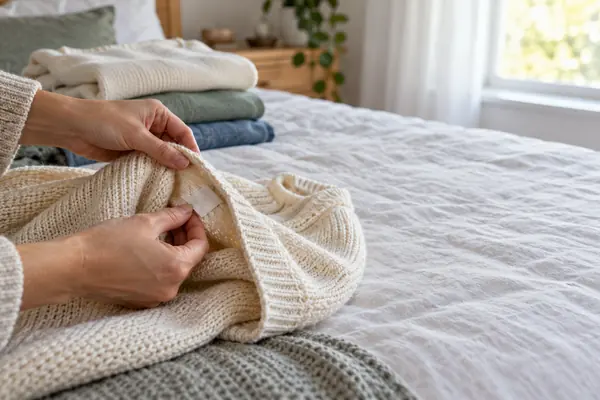
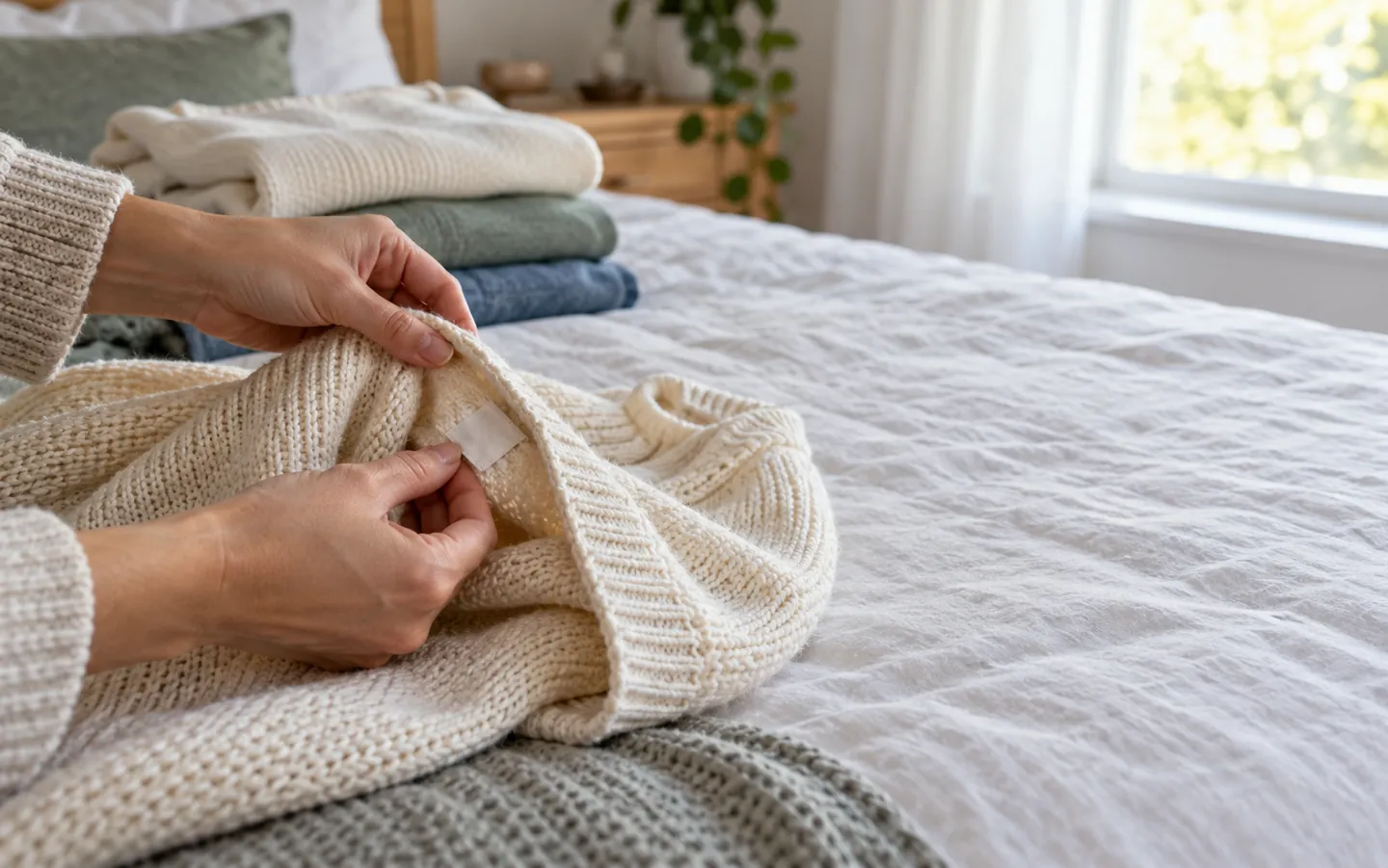
In England, Scotland and Wales, textile products must carry a label giving their fibre content, using only approved fibre names. A few words on it, like 'pure' or 'virgin wool', have strict legal meanings.
THE SHORT ANSWER
The rules come from Regulation 1007/2011, kept as assimilated law,
and the Textile Products Regulations 2012.
PERCENTAGES
A mixed product must list the name and percentage by weight of every fibre in descending order, such as cotton 80%, polyester 15%, nylon 5%.
Check the termsSTRICT WORDS
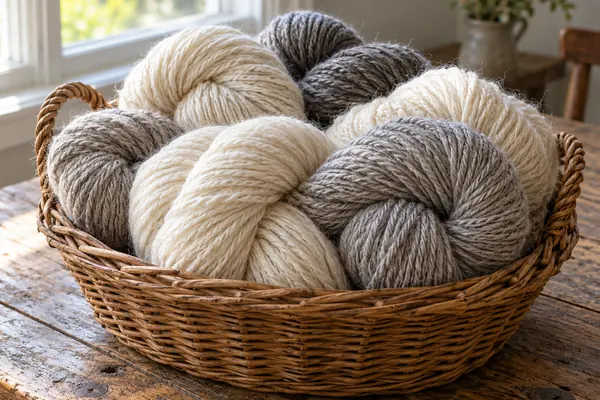
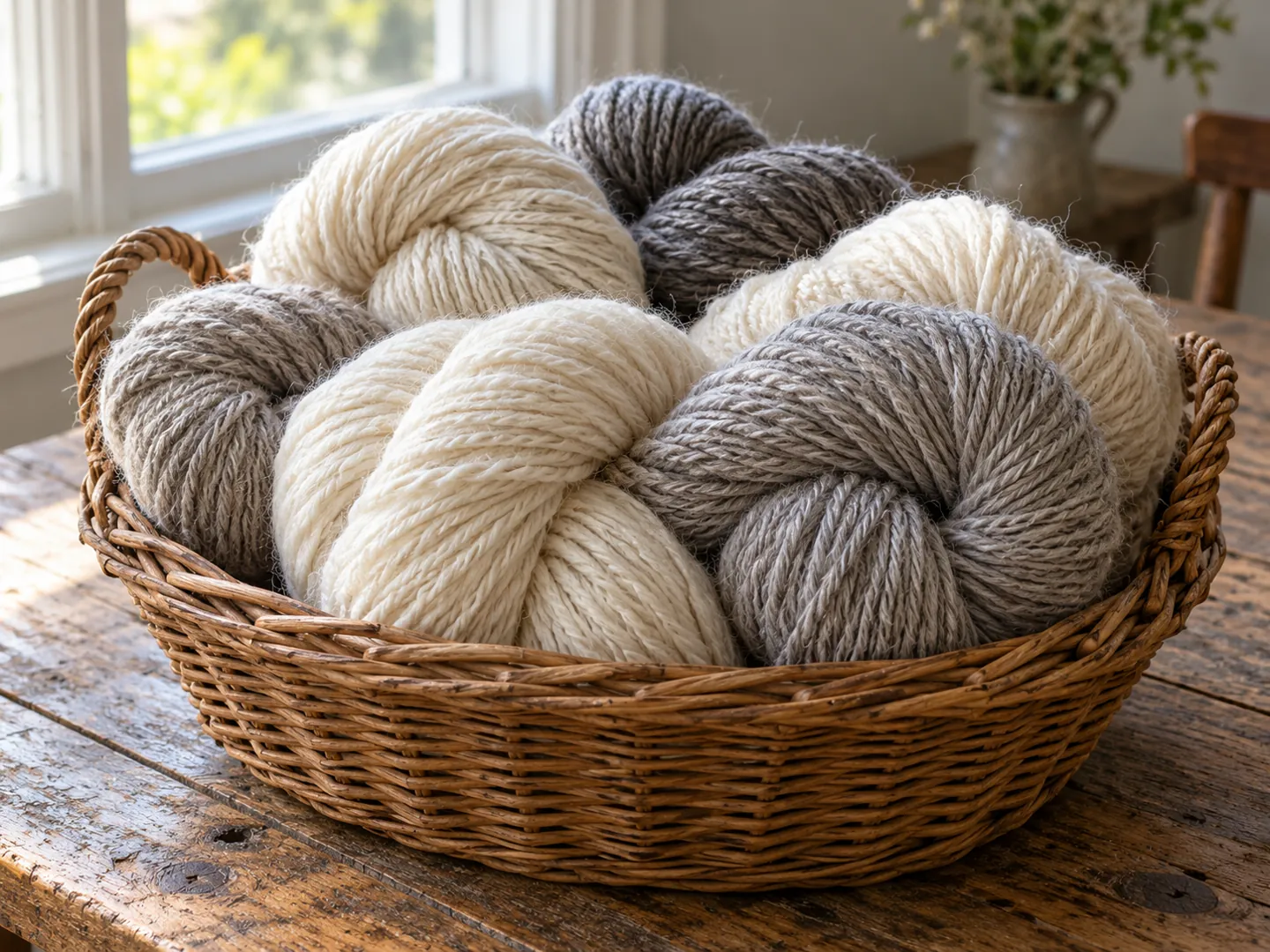
Only products made of a single fibre may say '100%', 'pure' or 'all'. 'Virgin wool' means wool never used in a finished product before.
See the numbersPARTS
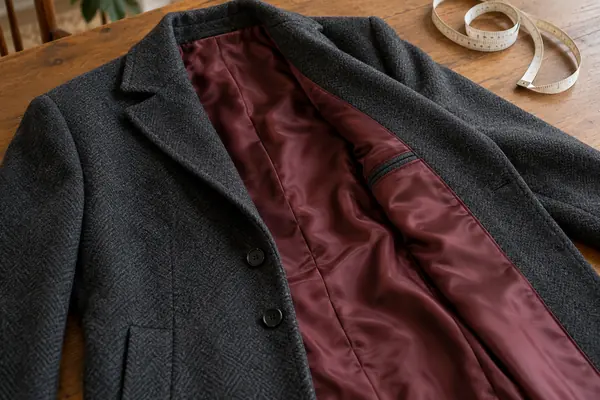
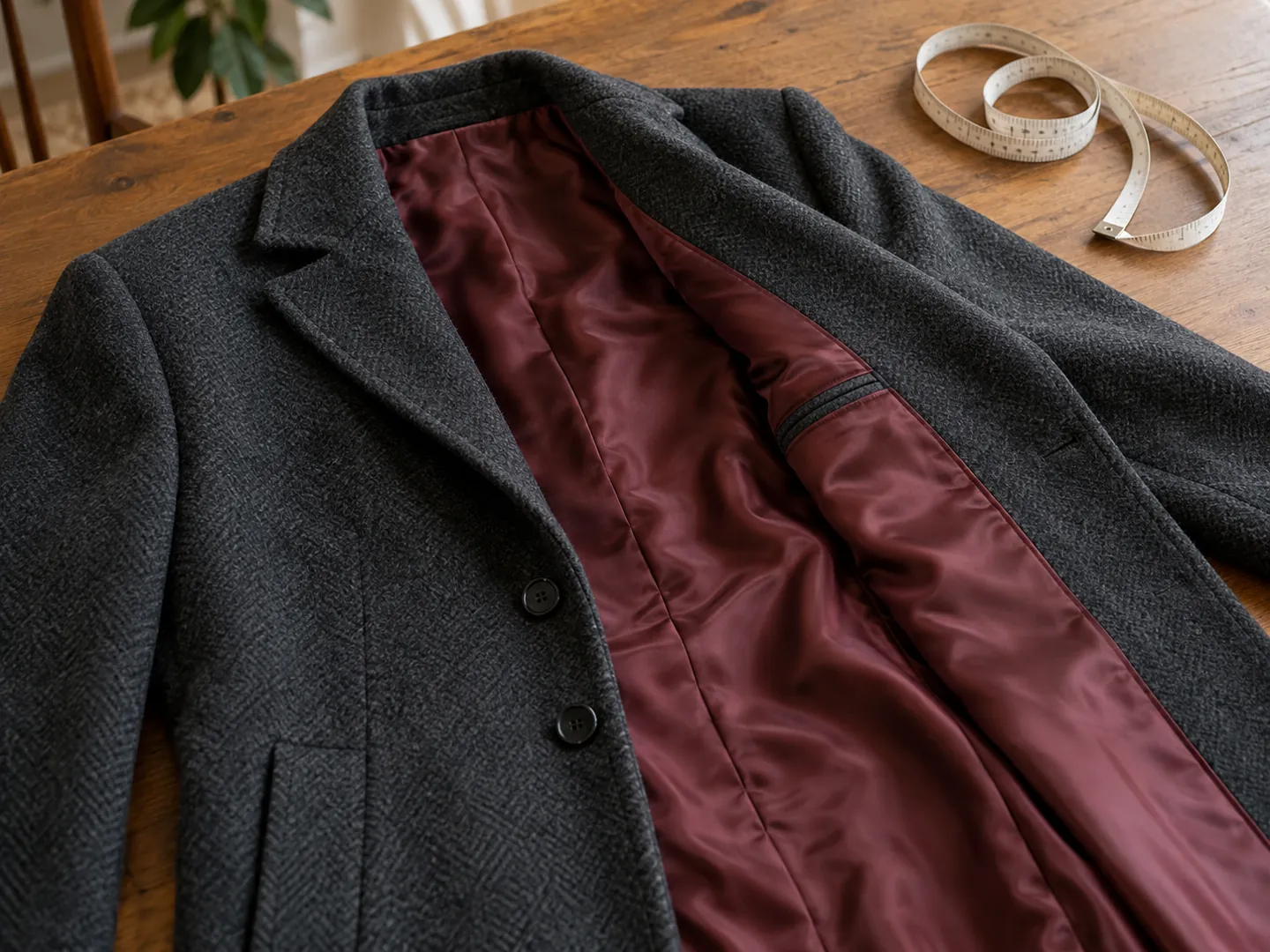
If a product has parts with different fibres, such as a jacket and its lining, each part's content must be shown.
How to read itWHAT DOES THAT WORD MEAN?
Pick a phrase you might see on a label to find out what the rules say it must mean. The bar shows how precisely it tells you the fibres.
Small amounts of stray fibre that are technically unavoidable are allowed in some cases, as shown.
FOUR THINGS TO CHECK
A quick look tells you what you are paying for. This is general information about the rules, not advice on any dispute.
Fibres are listed by weight, largest first, so the first name is the main material.
Coats, lined skirts and padded items may give separate figures for the shell, lining and filling.
Real fur, leather or bone trims must be flagged with 'contains non-textile parts of animal origin'.
If you can order from the description alone, the fibre content must appear in the advert or listing too.
TWO NUMBERS WORTH KNOWING
One figure on how exact the percentages must be,
one on what 'virgin wool' in a blend requires.
3%
Allowed gap between label and lab test
A manufacturing tolerance of 3% is permitted between the composition on the label and the percentages found when the product is analysed.
TOLERANCE · ARTICLE 20
25%
Minimum virgin wool share in a blend
A blend may call its wool 'virgin wool' only if all of that wool qualifies and makes up at least 25% of the total weight. Stray fibres must stay at or below 0.3%.
VIRGIN WOOL · ARTICLE 8
Trading Standards guidance adds that decorative matter making up 7% or less of the product is excluded from the fibre content.
FUR AND ANIMAL PARTS
When a textile product includes non-textile parts of animal origin, such as fur, leather or bone, the label must say 'contains non-textile parts of animal origin'. Extra detail, such as lambskin, can be added.
Trading Standards guidance says labelling real fur as faux fur is an offence, and selling, importing or exporting cat and dog fur is banned.
Questions
Textile products sold in Great Britain must carry a label indicating fibre content, in English, that is durable, legible, visible and accessible. Some items, such as toys, watch straps and oven gloves, are exempt.
Only products made exclusively of one fibre may be labelled '100%', 'pure' or 'all'. Up to 2% of technically unavoidable stray fibre is allowed, or 5% for carded products.
The rules allow a fibre making up to 5%, or several together up to 15%, to be called 'other fibres' with their total percentage, where they cannot easily be stated at manufacture.
Trading Standards guidance says second-hand clothes must comply, but older garments, for example from before the Second World War, rarely carry such detail and sellers are unlikely to be expected to provide it.
No. Trading Standards guidance says the word 'silk' must not be used to describe the texture of any other fibre, so a name like 'silk acetate' is not permitted.
Updated
ABOUT THIS NAME
doodlewears.com is part of the DoodleSale portfolio. It isn't in an auction right now, but you can ask about leasing it.